The Transformative Power of AI in Smartphones
By Ryan Noik 26 November 2025 | Categories: Outdoor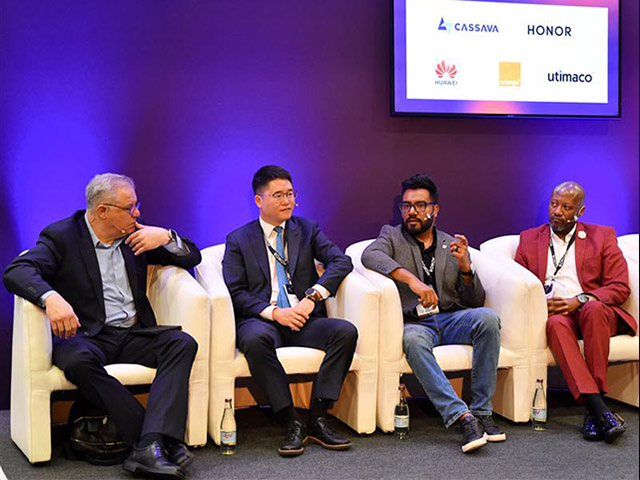
Related Articles
 Why Agentic AI matters for banks
 Festive-Season cyberattacks offer a warning to bus...
-2.jpg) Puma Velocity Nitro 4 running shoes
Puma Velocity Nitro 4 running shoesThroughout this year, Artificial Intelligence (AI) has been a dominant topic, and we have heard from a variety of sources how the technology is shaping - or rather, reshaping - industries.
At the recent AfricaTech Festival, the topic came to the fore again, with Honor explaining how AI is rapidly reforming the smartphone industry. The company enthused that AI is both driving innovation and promising all sorts of enhanced user experiences.
There is a caveat though. The question mark hanging over AI's predominance and integration into smartphones is whether it will all be available to a select few who can afford the top tier devices, or whether it will be widely available to all users.
During one of its fireside discussions, Fred Zhou, the CEO of Honor South Africa, stressed that the company's intention is to make advanced technology accessible to all.
To this end, Zhou explained, Honor has committed to investing $10 billion over the next five years to integrate AI into its devices and build an open, collaborative ecosystem.
He further outlined Honor’s strategic vision for becoming a global leader in AI-powered devices. The journey is divided into three core steps:
Intelligent AI Phones as the Gateway
Zhou explained that the first step is to create smartphones that serve as intelligent gateways to the AI infused world. While the company's Magic series represents the flagship line, offering cutting-edge performance and battery life without compromise, its midlevel series is tailored for content creators, featuring advanced AI-powered cameras. The X series is designed to democratize AI, making it accessible to all consumers, not just those purchasing premium devices.
Building an Open Ecosystem Through Collaboration
Secondly, recognizing that no single company can build the AI era alone, Zhou emphasized the importance of global partnerships. He stressed that collaborations with industry leaders such as Vodafone, Google, and Intel are central to developing an open ecosystem where innovation can flourish. By integrating technologies from various partners, Honor enthused that it aims to create a seamless and intelligent user experience across devices and services.
Towards an Intelligent World
Thirdly, Zhou continued that the ultimate goal is to transition from intelligent devices to an intelligent world, where AI seamlessly integrates into daily life. This vision includes not only technological advancements but also the creation of an inclusive environment where both “carbon-based” (human) and “silicon-based” (robotic) entities coexist and benefit from AI-driven solutions.Perhaps Jennifer Lopez’ Netflix actioner from last year, Atlas, is already onto something there.
Invisible Innovation
While AI and its development have been very overt over the past couple of years, there is also the “invisible” nature of AI innovation. Zhou explained that much of the AI’s impact occurs behind the scenes, embedded in the chip and software of modern smartphones.
For example, when users take photographs, AI algorithms enhance image quality automatically, often without the user even realizing it. This invisible assistance extends to various aspects of daily life, from optimizing device performance to personalizing user interactions.
And, even if it is a little bit unsettling, even eerie, AI is certainly learning from users’ habits in the background, streamlining tasks and making everyday operations faster and more convenient. Whether it’s reducing the time needed to complete a routine action or adapting to individual preferences, we can't escape the fact that AI is quietly transforming how we use our devices by making technology more intuitive and responsive.
Making AI Available to All
One of the most significant challenges in the AI revolution is ensuring that its benefits are accessible to everyone, regardless of location or economic status. Zhou reassured us that Honor’s commitment to accessibility is evident in its product strategy. By offering AI features across its entire device lineup—including entry-level models— Zhou stressed that Honor aims to bridge the digital divide and empower users in emerging markets.
Akhram Mohamed, a futurist and editor of Geekhub, noted the importance of democratizing AI in regions like Africa, where smartphone penetration is high but economic disparities persist. This means that making AI available at different price points is crucial. He pointed out that the competitive edge in the industry is shifting from hardware specifications to the quality of AI algorithms, user experience, and the ability to localize technology for diverse markets.
He continued that localization is particularly vital in Africa, a continent with a rich tapestry of a variety of languages and cultures. But without adapting AI to understand and serve local needs, there is a risk of importing intelligence that fails to resonate with users.
That is why, Zhou explained, the company's approach includes working with local partners and integrating language support to ensure that AI solutions are relevant and effective for all.
Collaboration is key
If there was one common theme of the panel discussion it was the necessity of collaboration in driving industry standards and fostering innovation. While's Honor's efforts to ensure compatibility with Google and Android are essential, they cannot stand alone; it is also dependent on network providers such as Vodacom, which also has a critical role to play.
Andisa Ntsubane, the Managing Executive: Brand, Marketing and Communications for Vodacom Group Africa explained that network infrastructure is essential for connecting users to opportunities and supporting the acceleration of technological adoption. He noted that initiatives like device financing programs make it easier for consumers to own smartphones, further expanding access to AI-powered tools.
However, it seems like affordability is top of mind for Vodacom these days, with the likes of its V-Up campaign similarly trying to help its users get access to airtime, data and other essentials more easily while basic costs of living become more expensive.
Looking Ahead
For me, a takeaway from that panel discussion was that there is an unabashed optimism about the future of AI in smartphones. As technology continues to evolve, the integration of AI shows promise of further breaking down barriers, enhancing connectivity, and delivering personalized experiences at scale.
While Zhou was quite transparent about the company's ambition to be the leading device manufacturer before the decade is out, its efforts are telling an even more ambitious story.
Given the substantial investment the company is making in research and development, combined with its commitment to accessibility and collaboration, it seems like the company is carefully aiming to position itself as a leader in shaping the next era of intelligent devices.
As for what general users can expect from their smartphones in the years ahead, AI looks like it is poised to become an even more integral part of their daily lives, from real-time translation and contextual assistance to advanced personalization and seamless integration across devices.
Despite some of the AI-pessimism that is out there, and some of the valid concerns as well, there is genuine hope that we are in the midst of a positive revolution. Clearly, the journey toward an intelligent world is well underway, and with continued investment and partnership, the benefits of AI seem likely to reach more people than ever before. How that will shape - or rather, reshape - the continent and its fortunes, remains to be seen.
Most Read Articles
 ASUS Unveils the Next Generation of Productivity: Introducing the Zenbook Duo UX...
 Hot New Trailers - Masterminds
-2.jpg) Insurtech will make you rethink your cover
Insurtech will make you rethink your cover Win with Canon SA
 ManageEngine rolls out autonomous AI capabilities across its suite to power digi...
 Dell Inspiron N5110
 PUMA INTRODUCES FOREVERRUN NITRO 3
 Samsung Galaxy S4 Zoom - white


Have Your Say
What new tech or developments are you most anticipating this year?