Old Mutual Insure unpacks the need for disciplined growth in a complex risk environment.
By Staff Writer 7 April 2026 | Categories: feature articles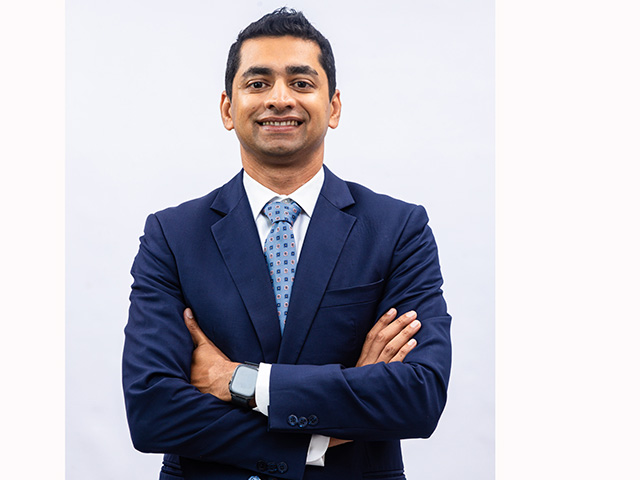
Related Articles
 AI agents can now act - Who is accountable when t...
 AI should not make leaders think less. It should e...
 Why emerging telecoms giants need to build an incl...
The non-life insurance industry is navigating a period of significant transition. From climate volatility and economic pressure to rapid technological change, insurers are being challenged to rethink how they manage risk, deploy capital, and build organisations capable of thriving in an increasingly complex environment.
For Soul Abraham, the incoming CEO of Old Mutual Insure, the next phase of industry evolution will be shaped by three critical priorities: leveraging technology more effectively, diversifying revenue streams while maintaining capital discipline, and building a workforce equipped to navigate the future of insurance.
“Our industry is operating in an environment where risk dynamics are evolving faster than ever, where insurers that succeed will be those that balance innovation with discipline while remaining focused on long-term sustainability,” says Abraham.
Technology as a strategic enabler
Across the global insurance sector, technology is rapidly reshaping how insurers price risk, manage claims and interact with customers. Advances in artificial intelligence, automation and data analytics are enabling insurers to process large volumes of information more efficiently and improve the precision of underwriting decisions.
Industry research, including the *KPMG SA Insurance Industry Survey 2025, indicates that insurers are increasingly embedding advanced technologies into core functions to enhance operational efficiency and improve customer experience.
Abraham believes the real value of digital transformation lies in supporting better decision-making rather than replacing traditional underwriting expertise.
“Technology should strengthen the fundamentals of insurance. Data analytics, artificial intelligence, and automation give us deeper insights into risk and allow us to respond faster and more effectively, but disciplined underwriting and sound judgement remain essential.”
At Old Mutual Insure, this approach has translated into investments in advanced analytics and intelligent systems capable of reviewing claims, validating policy coverage, and streamlining administrative processes before human oversight is applied.
“Digital transformation is not simply about efficiency. It is a lever that allows insurers to respond more effectively to changing risks while improving the experience for customers and intermediaries alike,” he adds.
Diversification and capital discipline
As economic growth remains subdued and insurance markets become increasingly competitive, diversification is emerging as an important strategic lever for insurers seeking sustainable growth.
Globally, insurers are expanding into specialised segments, entering adjacent markets, and pursuing strategic partnerships to strengthen resilience and reduce concentration risk.
Abraham believes diversification must always be balanced with careful capital allocation and disciplined underwriting.
“Growth cannot come at the expense of sound fundamentals. Insurers must remain focused on risk-based pricing and responsible capital deployment while identifying opportunities to expand into segments where they can deliver real value,” he says.
Within Old Mutual Insure, diversification remains a key component of the group’s strategy. Credit Guarantee Insurance Company (CGIC), for example, plays a key role in supporting trade and protecting businesses against credit risk in both domestic and international markets.
“Specialist credit insurance capabilities enable businesses to trade with greater confidence while protecting cash flows. It is an area where we see continued opportunity for growth through targeted partnerships and niche expansion,” Abraham explains.
Similarly, Genric Insurance provides access to specialised markets through a partnership-led model that enables the group to participate in innovative and niche segments while maintaining underwriting discipline.
“Diversification strengthens resilience. By expanding carefully into complementary areas, insurers can manage risk more effectively while creating new avenues for sustainable growth.”
Building a future-fit workforce
While technology and capital allocation strategy are important, Abraham emphasises that people remain at the centre of the industry’s long-term success.
Across the sector, insurers are grappling with the challenge of ensuring their workforce has the skills needed to operate in an increasingly digital and complex environment.
“Insurance is a people-driven industry. As the risk landscape evolves, the skills required to understand, price, and manage those risks must evolve as well,” he adds.
Developing future talent and strengthening leadership capability therefore remain strategic priorities.
For example, Old Mutual Insure has invested in initiatives such as the Green Beret programme and The Insurance Apprentice, which focus on developing high-potential talent, while broader skills development efforts aim to equip employees with the expertise required in a modern insurance environment.
“Building a diverse and future-ready workforce remains a non-negotiable. Technical expertise, adaptability, and strong leadership will determine how effectively insurers navigate the challenges and opportunities ahead,” says Abraham.
Positioning the industry for the future
Looking ahead, Abraham believes the insurance sector’s ability to balance innovation, discipline and responsible risk management will determine its success.
The role insurers play as financial safeguards for individuals, businesses and communities’ remains fundamental, particularly as the frequency and severity of risks continue to evolve.
As the industry adapts to these new realities, he remains cautiously optimistic about the opportunities ahead.
“The challenges facing the insurance sector are significant, but they also present an opportunity for insurers to evolve, innovate and deliver greater value to customers and society at large,” concludes Abraham.
Most Read Articles
 Lenovo introduces Legion gaming phone for gamers looking for 5G, powerful perfor...
 The modern influence of retrogaming
 Logitech Wireless Solar Keyboard K750
 Xiaomi Redmi Note 10S


Have Your Say
What new tech or developments are you most anticipating this year?